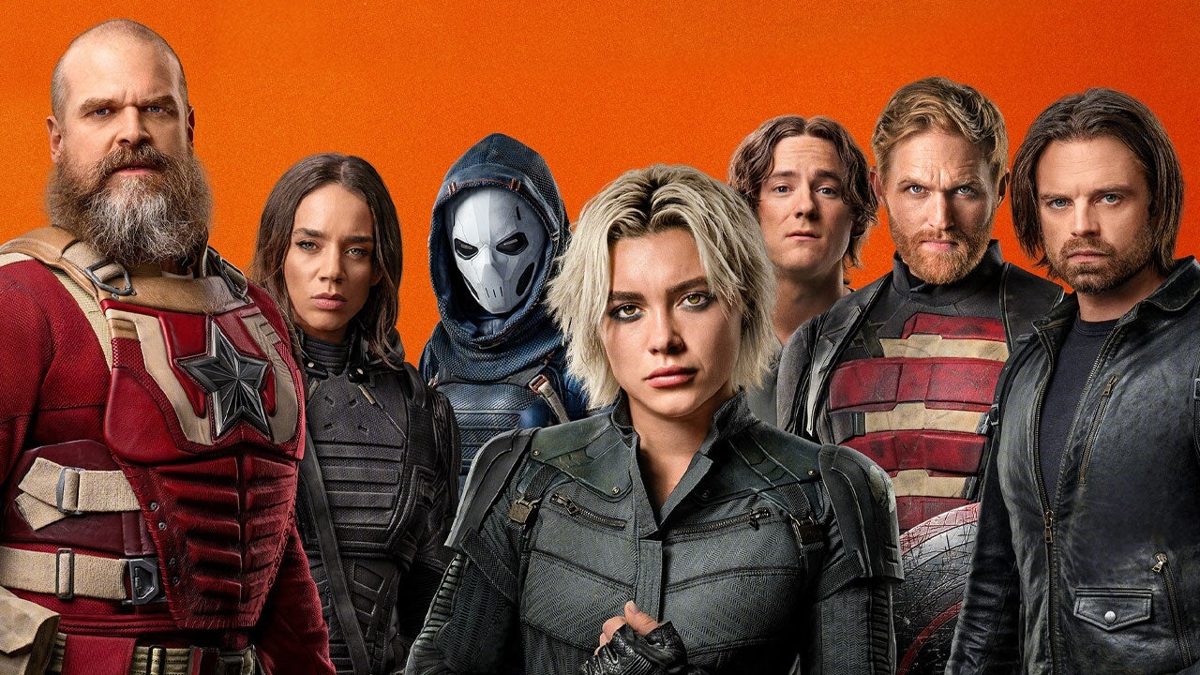
Thunderbolts* Review: The MCU's Refreshing New Direction
Ever since the monumental conclusion of Avengers: Endgame in 2019, the Marvel Cinematic Universe (MCU) has found itself at a crossroads. The seemingly endless chain of interconnected blockbusters and a unified overarching narrative, often dubbed the "Infinity Saga," had come to a definitive end. While Marvel has continued to deliver hits in the 2020s, the magical spell of an unbroken, universally beloved saga has undeniably lessened. Audiences, once deeply invested in a story thread weaving through every release, are now seeking something different, something fresh. The intricate game of building towards an ultimate cosmic confrontation is over, and with it, the need for a bold new strategy has become paramount.
The MCU films that have resonated most profoundly in this post-Thanos era are precisely those that have dared to stray from the established formula. Take last year's R-rated Deadpool & Wolverine, for instance, which proudly marched to the beat of its own drum, utilizing very few characters from the core MCU. Similarly, the wildly popular Spider-Man: No Way Home found success by brilliantly paying homage to the legacy of Spider-Man films that predated Marvel Studios' involvement. Now, the latest offering, Thunderbolts*, steps into this evolving landscape, aiming to carve out its own distinct identity. And by all accounts, it appears to be doing just that, marking itself as arguably the most refreshing MCU offering in years.
Shifting Tides: The Post-Infinity Saga MCU Landscape
The golden age of the Infinity Saga, with its larger-than-life heroes like Iron Man, Thor, and Captain America leading the charge against universal threats, created an expectation that subsequent MCU phases have struggled to consistently meet. The initial excitement for interconnected stories has, for some, given way to fatigue, as the sheer scale and complexity of the multiverse began to feel overwhelming rather than exhilarating. Critics and audiences alike have pointed to films like Eternals and The Marvels as examples where the focus on grand cosmic powers and expansive lore overshadowed compelling character development.
This evolving sentiment has highlighted a crucial lesson: it’s not merely the characters’ powers that captivate, but their personalities and relatability. The challenge for Marvel has been to pivot from epic narratives of indestructible titans saving the multiverse to stories that feel grounded, intimate, and emotionally resonant. The success of films that have embraced this shift—whether through mature themes or nostalgic tributes—underscores a collective yearning for stories that surprise and engage on a more human level, rather than simply escalating the cosmic stakes. It's in this fertile ground of reinvention that Thunderbolts* finds its unique opportunity to shine.
Thunderbolts*: A Scrappy Soul in a Shiny Universe
One of Thunderbolts*' most brilliant creative choices is its deliberate departure from the glossy, expansive aesthetic that defined much of the Infinity Saga. Instead of aiming for another epic tale of gods and enhanced super-soldiers, director Jake Shreier and screenwriters Eric Pearson and Joanna Calo have crafted something wonderfully different: a scrappy, scruffy-looking, down-to-earth fun film. It's a delightful contrast to the universe-spanning sagas, presenting a more contained, character-focused narrative that feels genuinely fresh.
This film isn't about cosmic battles or multiversal stakes; it's a comedy-tinged caper centered around a group of bungling secret agents. These aren't the revered heroes or highly decorated operatives; they are, in fact, deemed liabilities by the very organization that once employed them. This premise alone sets Thunderbolts* apart, tapping into a genre often seen outside the traditional superhero mold. Imagine the disavowed spy scenarios popularised by films like The Bourne Identity, but instead of a lone wolf, you have a whole pack of them, each nursing their own neuroses and grievances. This ensemble approach to the "disavowed agent" trope injects new life into a familiar concept, promising a dynamic unlike anything we’ve seen consistently in the MCU before. For a deeper dive into this unique style, explore Thunderbolts*: A Scrappy, Comedy-Tinged MCU Caper Analysis.
The Relatable Rogues: Why Imperfection Sells
What truly makes Thunderbolts* stand out, particularly within the vast tapestry of the MCU, is its emphasis on relatability and the power of character over conventional superpowers. The film’s core premise would largely be viable even if its characters weren’t super-powered at all. This speaks volumes about the strength of its character-driven narrative and the ensemble's inherent appeal.
The team is comprised of a ragtag bunch of depressive, dysfunctional loners, all forced to work together, grumbling every step of the way. Unlike the almost invulnerable might of a Thor or the sophisticated armor and fighting prowess of an Iron Man or even a War Machine, the Thunderbolts* are decidedly less "super." They can be killed by bullets, trapped in rooms with locked doors, and generally face threats that feel tangible and immediate. This vulnerability is their greatest strength, making them profoundly easier for audiences to connect with than literal Norse gods or genetically perfected super-soldiers. It’s a direct response to the sentiment that some previous MCU films struggled with character depth, prioritizing spectacle over soul.
The film addresses the gloom many feel in a world where iconic figures like Iron Man, Thor, and Captain America are no longer actively leading the charge. Instead of trying to replicate their grandeur, Thunderbolts* leans into the imperfections and struggles of its new anti-heroes. This approach underlines a vital lesson for the future of the MCU: character personalities count far more than their incredible powers. Audiences yearn to see heroes (or anti-heroes) who grapple with real-world limitations and internal conflicts, making their victories, no matter how small, feel earned and impactful. For more on this groundbreaking shift, check out How Thunderbolts* Ditches Superpowers for Relatable Heroes.
An Unruly Take: Addressing the MCU's Identity Crisis
Thunderbolts* isn't just a fun caper; it's also a surprisingly clever commentary on the current state of the MCU. By specifically addressing the pervasive feeling of gloom in a world absent of its foundational heroes, the film acknowledges and directly engages with the audience's emotional landscape post-Endgame. It’s an unruly, almost rebellious take on the superhero genre, one that doesn't shy away from depicting its protagonists as flawed, reluctant, and often comedic figures rather than infallible paragons.
This film asks: what happens when the universe's greatest defenders are gone? Who picks up the pieces? And more importantly, what kind of "heroes" are left, and what kind of stories can be told about them? The answer, in Thunderbolts*, is a team that embodies the grungier, more morally ambiguous side of heroism. Their dynamics, driven by individual personalities like Yelena (Florence Pugh), the sharp-witted Russian assassin, promise an engaging interplay of sarcasm, reluctant camaraderie, and genuine vulnerability. This focus on internal conflict and team dysfunction, rather than just external threats, is a sign of a more mature and introspective MCU, one willing to explore the shades of gray that lie between absolute good and evil.
Conclusion
Thunderbolts* arrives at a crucial juncture for the Marvel Cinematic Universe, offering a much-needed breath of fresh air. By embracing a scrappy, character-first approach, a comedy-tinged tone, and a cast of deeply relatable, imperfect anti-heroes, it successfully pivots away from the overwhelming scale of previous sagas. The film's willingness to acknowledge the void left by its founding heroes and to fill it with a team whose struggles are as compelling as their (limited) powers, marks a significant and refreshing new direction. It's a testament to the idea that the heart of compelling storytelling lies not in endless power-ups or escalating cosmic stakes, but in the raw, messy, and wonderfully human personalities of its characters. Thunderbolts* suggests that the MCU's future may be brightest when it's not trying to outdo its past, but rather to reinvent itself with authenticity and a healthy dose of down-to-earth charm.