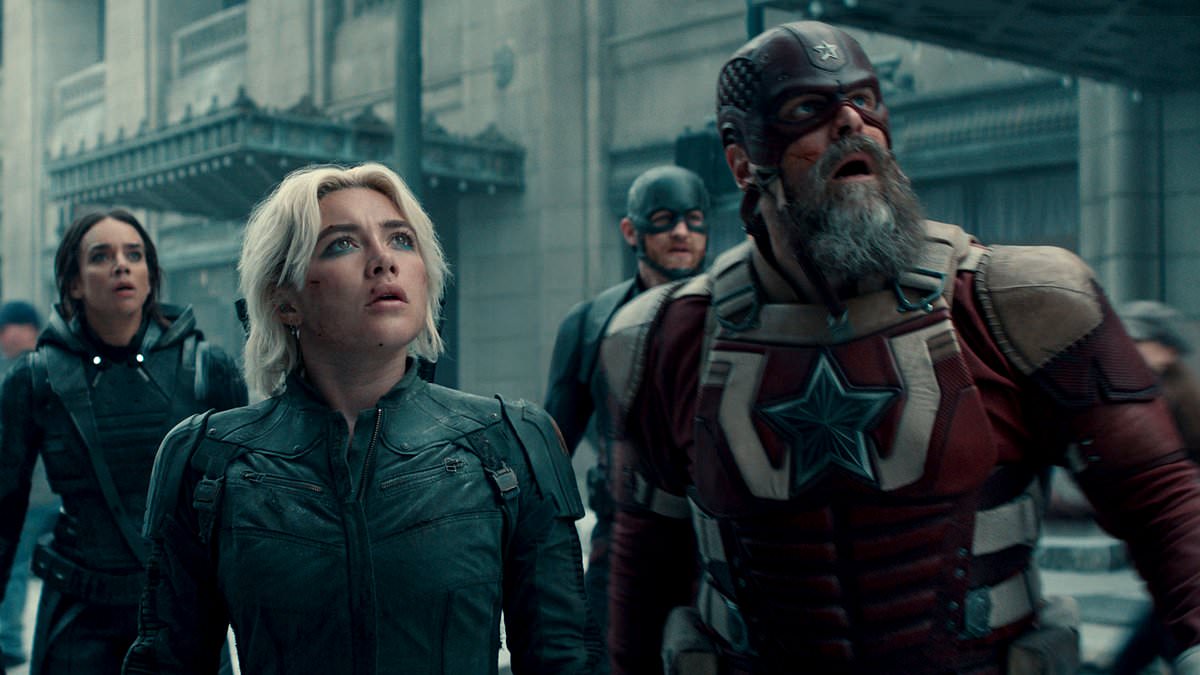
The Evolving MCU: How Thunderbolts* Ditches Superpowers for Relatable Heroes
The Marvel Cinematic Universe (MCU), once an unbroken chain of interconnected blockbusters, has entered a fascinating new phase since the monumental conclusion of Avengers: Endgame in 2019. The overarching narrative that seamlessly threaded through dozens of films, culminating in the epic battle against Thanos, has reached its natural end. In this post-Infinity Saga era, Marvel Studios faces the challenge of re-engaging audiences and forging new paths, moving beyond the formula that once guaranteed unparalleled success.
While many fans might be searching for a War Machine film review to revisit the more traditional armored heroics of characters like Rhodey, the MCU is actively embracing a fresh direction. This shift is about more than just introducing new characters; it's about redefining what a "superhero" film can be. The most resonant Marvel offerings of the 2020s are precisely those that have dared to stray furthest from the established "Infinity Saga" blueprint. Films like the R-rated Deadpool & Wolverine, which largely operates outside the main MCU continuity, or the postmodern brilliance of Spider-Man: No Way Home, which masterfully blended different cinematic iterations of the web-slinger, serve as prime examples. Now, Thunderbolts* arrives as the latest, and perhaps most significant, testament to this creative evolution, offering an unruly, down-to-earth take on the superhero genre that feels genuinely refreshing.
The Shifting Sands of the MCU Post-Thanos
The shadow of Thanos loomed large over the first 22 instalments of the MCU, a period defined by a singular, overarching conflict. With that particular game brought to its conclusion, the subtitle "Endgame" feels eerily prophetic for the studio's previous narrative strategy. While individual films have certainly found their mark, the consistent, collective investment in a sprawling, interconnected story has naturally waned. This isn't to say Marvel has stopped making hits, but the expectation of an "unbroken chain of talked-about blockbusters" has been recalibrated.
The journey forward demands innovation. Audiences, now accustomed to the cosmic stakes and god-tier powers of characters like Thor and Captain America, are paradoxically yearning for something more grounded, more human. Thunderbolts* directly addresses this sentiment, acknowledging the prevailing gloom in a world where the iconic heroes of yesteryear are no longer around. Directors Jake Schreier and screenwriters Eric Pearson and Joanna Calo have crafted a narrative that, while firmly rooted in the MCU, offers a distinct identity. It's a calculated move to inject new life into the franchise, proving that the most compelling stories don't always require universal cataclysms or indestructible titans. Instead, they can emerge from the grit and grime of human (or quasi-human) vulnerability.
Thunderbolts*: Embracing the Scrappy and Relatable
What truly sets Thunderbolts* apart from its predecessors is its deliberate eschewal of the "glossy and expansive" aesthetic characteristic of the Infinity Saga. This isn't an epic saga about saving the multiverse; it's a scrappy, scruffy-looking, comedy-tinged caper. The film trades the grandeur of cosmic battles for the chaotic charm of a group of bungling secret agents, deemed liabilities by the very organizations that once employed them. It's a scenario that has seen iterations in spy thrillers like The Bourne Identity, where disavowed operatives must outwit their former handlers. However, Thunderbolts* elevates this premise by assembling a whole team of such individuals: a dysfunctional, depressive, and often unenthusiastic band of loners forced to collaborate, all while grumbling about it.
The appeal of these characters lies precisely in their vulnerabilities. Unlike the aforementioned Norse gods or armored avengers, the Thunderbolts can be wounded by bullets and trapped by locked doors. Their powers, where they exist, are far from the cosmic-level abilities of Iron Man or Thor. This fundamental distinction makes them incredibly relatable. We, as an audience, can understand the fear of a locked door or the pain of a bullet wound far more intimately than we can comprehend wielding a magical hammer or flying in a sophisticated suit of armor. This grounded approach ensures that the stakes, though perhaps not multiversal, feel intensely personal and immediate.
Consider the contrast: while a traditional superhero narrative might focus on a character like War Machine deploying advanced weaponry and flying into battle, Thunderbolts* delves into the messy, often humorous, reality of characters who are far from perfect. They make mistakes, they complain, and they demonstrate resilience not through invincibility, but through sheer stubbornness and a surprising capacity for teamwork, however begrudgingly offered.
- Vulnerability as Strength: The film leans into the idea that heroes don't need to be invulnerable to be compelling. Their flaws and limitations are what make them human.
- Comedy-Tinged Realism: By incorporating comedic elements, the film grounds its espionage caper in a relatable, often absurd, reality, making the characters' struggles more palatable and endearing.
- Focus on Group Dynamics: The tension and humor derived from a team of misfits who genuinely dislike each other, yet must work together, provides a fresh perspective on team-up narratives.
Personality Over Power: The New MCU Ethos
A crucial lesson that Thunderbolts* imparts, and one that perhaps films like Eternals and The Marvels could have benefited from, is that it's not a character's powers that truly captivate; it's their personality. In this film, the ensemble cast, featuring the likes of Yelena Belova (Florence Pugh), a Russian assassin who was the adoptive sister of Black Widow, embodies this principle. Her sardonic wit, combat prowess, and deeply conflicted nature make her infinitely more engaging than a character defined solely by their ability to fly or shoot energy blasts. The film understands that genuine engagement comes from seeing characters wrestle with their inner demons, interpersonal conflicts, and moral ambiguities.
This shift towards emphasizing personality creates a richer narrative tapestry. When characters are vulnerable, their triumphs feel harder-won and their failures more impactful. The audience invests in their emotional journeys, their quirks, and their flawed attempts at heroism. This approach allows for deeper character development and more nuanced storytelling, moving away from binary good-vs-evil narratives to explore shades of grey. For future MCU endeavors, this means:
- Prioritizing Character Arcs: Stories should be driven by the internal growth and struggles of the characters, not just external threats.
- Embracing Imperfection: Allowing heroes to be flawed, make mistakes, and exhibit genuine human emotions fosters greater audience connection.
- Building Strong Ensemble Dynamics: The interplay between distinct personalities, even when contentious, can be a source of both humor and dramatic tension.
This focus on personality and relatability is vital for the MCU's continued success. As pointed out in a recent Thunderbolts* Review: The MCU's Refreshing New Direction, the film successfully pivots from cosmic-level threats to grounded, character-driven stakes, creating a more intimate and impactful experience.
Why Thunderbolts* Represents a Refreshing Leap for Marvel
Thunderbolts* stands out as the most refreshing MCU offering in years precisely because it understands the current zeitgeist. It's a film for audiences who might be experiencing "superhero fatigue" but are still hungry for compelling stories within the universe they've grown to love. By deliberately dialling back the spectacle and ramping up the character-driven humor and vulnerability, the film carves out a unique niche. It proves that the MCU doesn't need to continually escalate its threats to maintain relevance; it merely needs to evolve its storytelling.
The premise, which sees a group of "anti-heroes" or disavowed agents forced to work together, harks back to classic ensemble capers but infuses it with a distinctly Marvel flavour. It’s a testament to the fact that even within a universe populated by gods and super-soldiers, there's ample room for tales about the less-than-super. This commitment to delivering a "scrappy, scruffy-looking, down-to-earth fun" experience is exactly what the franchise needs to keep audiences invested. As further explored in Thunderbolts*: A Scrappy, Comedy-Tinged MCU Caper Analysis, the film's unique tone and character focus are key to its anticipated success.
Conclusion
Thunderbolts* is poised to be a pivotal moment for the Marvel Cinematic Universe. By prioritizing relatability, personality, and genuine vulnerability over conventional superpowers and cosmic-level threats, it offers a blueprint for the future of superhero storytelling. It's a bold declaration that the greatest heroes aren't always those who can wield the mightiest powers, but rather those who navigate their flaws, grumble their way through impossible situations, and find strength in their very human limitations. This nuanced approach not only makes for a more engaging and memorable film but also redefines what audiences can expect from the next chapter of Marvel's illustrious saga.